EndBadGovernance: There’s No Better Time For This Protest Than Now – Cleric
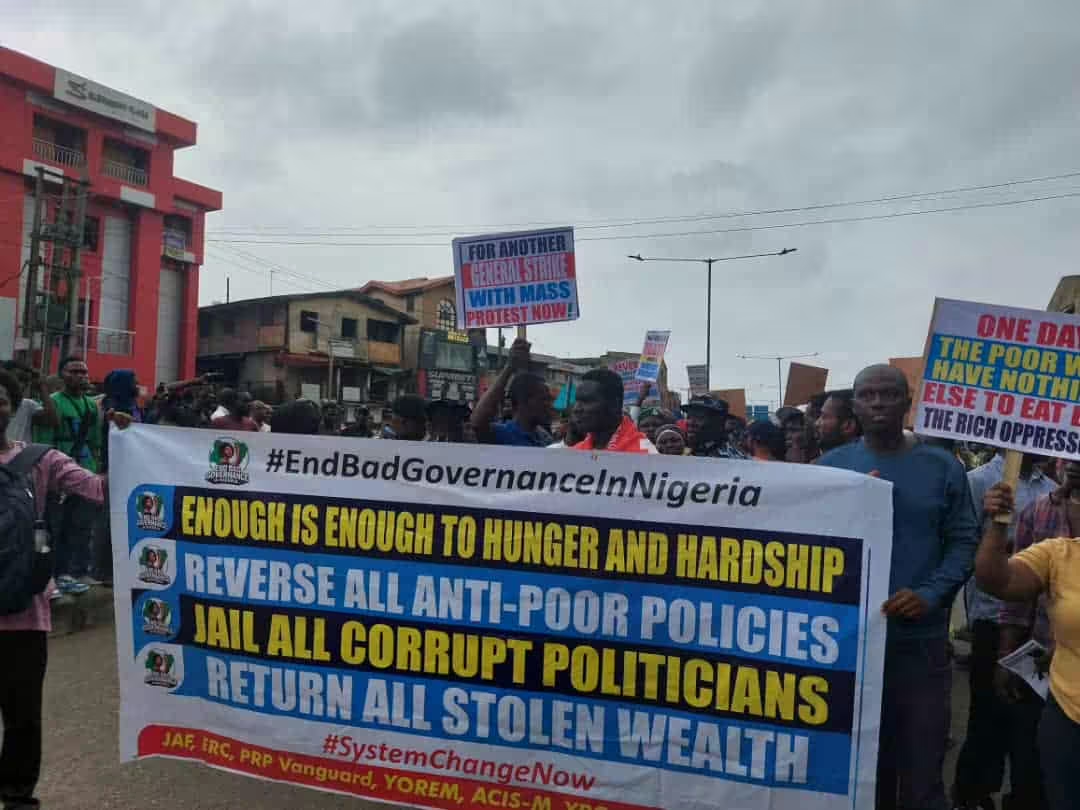
Nigeria is currently witnessing a surge in nationwide protests sparked by escalating hunger, economic hardship, and perceived governance failures. Amidst this unrest, Senior Pastor Sylvester Ogiehe of Christ Portal Ministries in Benin City has publicly endorsed the protests, asserting that there is no better time to express discontent than now. In an exclusive interview with Kristina Reports on August 3, 2024, Ogiehe highlighted the legitimacy of protests as a constitutional right and a vital tool for citizens to demand better governance and economic relief. This article explores the cleric’s perspective on the protests, the socio-economic context fueling the unrest, and the critical need for peaceful activism coupled with responsive governance.
The Current Economic Realities Driving the Protest
Nigeria’s economy has been under considerable strain, with rising inflation, unemployment, and food insecurity affecting millions. The cost of living has surged, making basic necessities increasingly unaffordable for many households. This economic hardship has become a catalyst for widespread dissatisfaction and unrest across the country.
Senior Pastor Sylvester Ogiehe stresses that the economic pain felt by Nigerians transcends political timelines. He points out that while some may argue the current administration is still early in its tenure, the immediate suffering of citizens — especially hunger — demands urgent attention. The stomach, he notes, does not recognize government timelines; it only feels hunger and deprivation.
The protest, therefore, is not merely a political statement but a response to the harsh realities faced daily by ordinary Nigerians. It is a collective outcry against the failure to meet basic human needs and a demand for swift policy interventions that prioritize citizens’ welfare.
Understanding the Cleric’s Endorsement of the Protest
Senior Pastor Ogiehe’s endorsement of the protests is rooted in his belief that peaceful demonstration is a fundamental democratic right. He emphasizes that protests serve as a legitimate means for citizens to express dissatisfaction with abnormal or unjust conditions, particularly when other channels of communication have failed.
According to the cleric, protests are a manifestation of collective displeasure aimed at achieving tangible change. They are not acts of rebellion but rather expressions of civic engagement that hold governments accountable. This perspective underscores the importance of viewing protests as constructive rather than disruptive.
Ogiehe also highlights the symbolic significance of the protest timing, stating that the severity of current hardships makes this moment particularly critical. The clergy’s stance reflects a broader call for societal awakening and responsiveness to the people’s plight.
Protest as a Constitutional Right in Nigeria
The Nigerian constitution guarantees citizens the right to assemble and protest peacefully. Senior Pastor Ogiehe reiterates that this right should be exercised responsibly, within the boundaries of the law. Peaceful protests are a cornerstone of democratic societies and an essential mechanism for citizens to influence governance.
Ogiehe cautions against violence and lawlessness during demonstrations, advocating for protests that respect public order and safety. He believes that maintaining peaceful conduct strengthens the legitimacy of the protest movement and enhances its potential to effect meaningful change.
By encouraging lawful protests, the cleric aims to foster a culture of constructive dissent where grievances are aired without descending into chaos. This approach aligns with principles of good governance and social harmony.
The Role of Government in Responding to Protests
While supporting the right to protest, Senior Pastor Ogiehe calls on the Nigerian government to respond proactively to the issues raised by demonstrators. He urges authorities to address the root causes of discontent, particularly economic hardships, with tangible policies and programs.
The clergy stresses that government inaction or delayed responses risk exacerbating tensions and prolonging citizens’ suffering. Transparent communication and inclusive dialogue with citizens can help bridge the gap between the government and the governed, fostering trust and cooperation.
Ogiehe’s appeal underscores the responsibility of leadership to prioritize the welfare of the people and to view protests as opportunities for reflection and reform rather than threats to stability.
The Importance of Peaceful Protest for Social Change
Peaceful protest has historically been a powerful tool for social and political transformation worldwide. Senior Pastor Ogiehe emphasizes that nonviolent demonstrations can galvanize public support, attract media attention, and put pressure on policymakers effectively.
Violence and destruction, on the other hand, often undermine the legitimacy of protest movements and can lead to harsher government crackdowns. The cleric advocates for disciplined, peaceful activism as the best way to achieve sustainable change without jeopardizing social cohesion.
By encouraging peaceful protest, Ogiehe aligns with global human rights principles and reinforces the idea that citizens can demand justice and accountability through respectful, organized collective action.
Public Sentiment and the Growing Demand for Accountability
The protests reflect a growing public sentiment that demands accountability, transparency, and better governance from Nigerian leaders. Citizens are increasingly unwilling to tolerate corruption, inefficiency, and neglect of basic services.
Senior Pastor Ogiehe acknowledges that the protests symbolize a broader awakening among Nigerians who seek a government that listens and acts in their best interests. This shift in public consciousness is critical for the country’s democratic development.
The cleric’s support for the protests resonates with many who view this movement as a pivotal moment for Nigeria’s future, signaling a collective call for systemic reforms and improved leadership.
Balancing Protest and National Stability
While endorsing the right to protest, Senior Pastor Ogiehe also stresses the need to balance this with the imperative of maintaining national stability. He warns against allowing protests to devolve into chaos that could harm innocent citizens and disrupt essential services.
Ogiehe encourages protesters to remain focused on their goals and to avoid provocations that could escalate tensions. He calls on community leaders and civil society to play mediating roles to ensure protests remain peaceful and constructive.
This balanced approach aims to protect both the democratic rights of citizens and the social order necessary for Nigeria’s progress and unity.
Looking Forward: The Path to Effective Governance and Social Justice
The current protests present an opportunity for Nigeria to embark on a transformative path toward effective governance and social justice. Senior Pastor Ogiehe envisions a future where citizens’ voices are heard and their needs prioritized through responsive leadership.
He advocates for ongoing dialogue between government and civil society as a means to address grievances and co-create solutions. This collaborative approach can help build trust and foster a more inclusive political environment.
Ultimately, the cleric’s message is one of hope—that through peaceful protest and committed governance reforms, Nigeria can overcome its challenges and achieve lasting prosperity and equity.
Conclusion
The endorsement of the current protests by Senior Pastor Sylvester Ogiehe highlights the critical intersection of economic realities and democratic rights in Nigeria today. His call for peaceful, lawful demonstrations reflects a deep understanding of the power of collective action to demand accountability and reform. As Nigerians continue to voice their frustrations over hunger and governance failures, the government’s response will be pivotal in shaping the nation’s trajectory. By embracing dialogue, prioritizing citizens’ welfare, and respecting constitutional rights, Nigeria can navigate these challenging times toward a more just and prosperous future. The time to act, as the cleric emphasizes, is now—there is indeed no better moment for this protest.
Discover more from FINIMA
Subscribe to get the latest posts sent to your email.