Nigeria Chairs UN Budget Committee: What Bonny Island Can Learn About Accountability
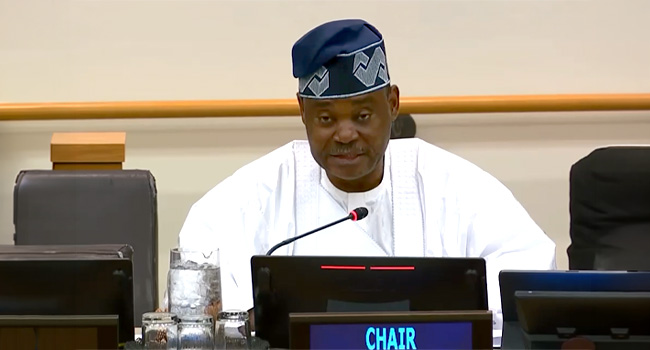
Nigeria’s role in international institutions offers a useful lens for discussing public accountability in Finima and Bonny Island. On 5 October 2026, Ambassador Jimoh Ibrahim, Nigeria’s Permanent Representative to the United Nations, presided over the inaugural plenary meeting of the Fifth Committee of the 81st Session of the UN General Assembly in New York. For readers at home and in the diaspora, the diplomatic milestone is a reminder that the values of transparency, accountability and equitable representation championed at the UN can echo in local schools, women’s groups and youth initiatives across Rivers State.
Nigeria’s role in the Fifth Committee
Ambassador Jimoh Ibrahim opened the first plenary of the Fifth Committee with a note of gratitude to Member States for the trust placed in Nigeria following his election as Chair for the current session. He emphasised that the Bureau, elected earlier in June, would work collectively to ensure the Committee’s duties are carried out efficiently and on schedule. His remarks underscored the importance of transparency and accountability in strengthening confidence in the United Nations’ work.
During the discussions, Member States reiterated the need to examine budget proposals carefully, weighing their impact on programme delivery while seeking greater efficiency without compromising the Organisation’s capacity to fulfil its mandates. There was a shared call for the development pillar and the priorities of developing nations to receive appropriate attention and sufficient resources, ensuring that agreed commitments can be implemented effectively.
The Fifth Committee, responsible for the administrative and budgetary affairs of the United Nations, plays a central role in determining how the Organisation is financed and how it functions. Its deliberations therefore have a direct bearing on the ability of the UN to support peacekeeping, humanitarian aid and development programmes worldwide.
What the Fifth Committee Means for Nigerians
As the organ that oversees the UN’s finances, the Fifth Committee decides on the scale of assessments, approves the budget and monitors expenditures. Its work influences how much funding is available for programmes that benefit member states, including Nigeria. By advocating for transparency and effective oversight, the Committee aims to ensure that resources are used wisely and that the Organisation remains accountable to the countries that support it.
The emphasis on equitable geographical representation within the UN Secretariat is particularly relevant for Nigeria and other African nations. A balanced workforce that reflects the diversity of membership can lead to policies and programmes that are more attuned to the realities of developing countries. This principle aligns with the UN Charter’s call for broad participation and fairness in international institutions.
For Nigerians watching from Finima, Bonny Island or abroad, the Committee’s focus on developing countries’ priorities offers hope that the global body will continue to allocate resources to areas such as health, education and infrastructure—sectors that are vital for community progress in the Niger Delta.
Why the discussion matters to Finima and Bonny Island
International appointments can provide a useful starting point for conversations about public service. For Finima and Bonny Island, the practical connection is the importance of clear budgets, accountable institutions and development priorities that are understood by the people they are intended to serve. These are questions residents can raise in local organisations without waiting for an international programme.
This article does not report a local celebration, interviews with community elders or a new funding commitment. Nigeria’s chairmanship is a diplomatic development; the community implications discussed here are editorial analysis. A position at the United Nations should not be presented as evidence that a particular town will receive grants, investment or preferential treatment.
A constructive response would be to encourage young people to learn how international institutions work, while asking local associations to make their own plans and spending easier to understand. Diaspora professionals could contribute through mentoring or reviewing project proposals where invited. Those possibilities depend on local decisions and partnerships, rather than on the chairmanship itself.
Opportunities for Youth and Women Initiatives
The Fifth Committee’s push for greater efficiency without undermining programme delivery suggests a focus on results‑based management. For local organisations in Rivers State, the broader lesson is to define objectives and measurable outcomes before seeking funding or technical assistance. The chairmanship does not change the requirements of an individual grant programme.
Youth groups in Bonny Island, which often run skills‑training programmes, sports clubs and environmental awareness campaigns, may find that emphasis on effective oversight encourages donors to support initiatives with strong monitoring and evaluation frameworks. Similarly, women’s cooperatives involved in agriculture, crafts or micro‑enterprise could benefit from funding streams that prioritise transparency and equitable access.
By highlighting the need for developing countries’ priorities to be resourced adequately, the Committee’s work may help open doors for grant proposals that address specific challenges in the Niger Delta, such as renewable energy access, clean water provision or digital literacy. Local leaders can use this moment to advocate for projects that align with both national development goals and the UN’s sustainable development agenda.
Looking Ahead: Expectations from the Diaspora
For Nigerians living abroad, the Chairmanship offers a point of connection and a catalyst for deeper involvement in homeland affairs. Diaspora professionals who wish to contribute could lend expertise in areas such as public financial management, procurement reform or capacity building—fields directly related to the Fifth Committee’s mandate.
Regular briefings from the Nigerian Mission to the UN could help keep residents informed about how international decisions might affect local development programmes. Such communication would strengthen the link between global governance and grassroots action.
Ultimately, the pride felt in seeing Ambassador Ibrahim preside over the UN’s budget discussions is matched by a hope that his leadership will contribute to a more effective, accountable and representative Organisation—one that better serves the aspirations of Nigerians at home and overseas.
What this means
The image of Ambassador Jimoh Ibrahim gaveling open the Fifth Committee’s first plenary is more than a photograph; it is a symbol of what dedicated service can achieve on the world stage. For the people of Finima and Bonny Island, it reaffirms that their voices matter in international forums and that the principles upheld there—transparency, accountability, fairness—can guide local efforts to build a brighter future. As the Committee proceeds through its session, readers can follow the decisions themselves and assess their implications. Tangible local benefits will require separate programmes, eligibility decisions and accountable implementation.
Source: Channels Television’s report of the 5 October plenary. Local implications are editorial analysis.
Originally reported by channelstv.com. Adapted for our readers with AI assistance.
Discover more from FINIMA
Subscribe to get the latest posts sent to your email.
0 Comments