The Water Keeps Rising: Why Bonny People Should Treat Rivers State’s ‘Safe Ground’ Warning Seriously
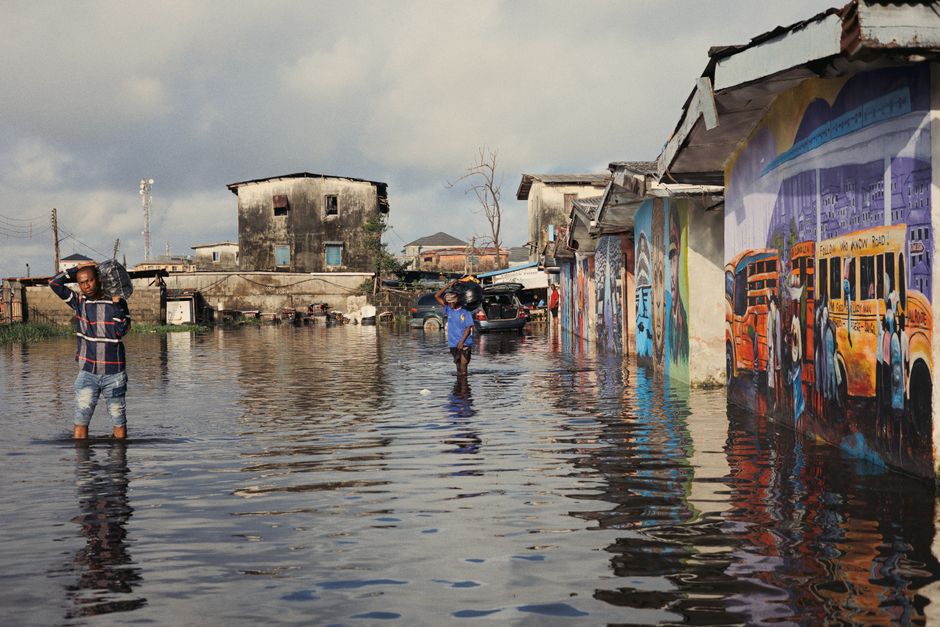
When the headline arrived this week from Today FM 95.1 — “The Water Keeps Rising and Rivers State Is Running Out of Safe Ground” — it did not read like a distant news item to most of us in Bonny Kingdom. It read like a message posted straight to our front doors. Finima, Bonny Island and the wider Rivers coastal belt sit on land that the sea, creeks and seasonal rains have never truly left alone. Now, with a major radio station framing the crisis as a shortage of safe ground, the question is no longer whether we are affected, but whether we are ready to respond with the urgency the moment demands.
Headline That Hits Close to Home
The full report sits behind a standard Google cookie notice, so the finer details remain unseen. Yet the headline itself tells a story that every Bonny resident already knows in outline. Across Rivers State, water is reclaiming spaces that people once treated as secure. Homes, roads, farms and public buildings that stayed dry for decades are now facing repeated flooding, erosion and storm surges.
For those of us in the diaspora, the headline carries an extra weight. We may be in Lagos, Abuja, London, Houston or Toronto, but our phones still light up during the rainy season with pictures of flooded compounds, cancelled travel plans and family members asking whether it is safe to remain. A headline about safe ground running out is, in truth, a headline about our parents, siblings and neighbours.
Why Bonny Is No Stranger to Water
Bonny Island’s identity has always been tied to water. The Atlantic Ocean, the Bonny River and the network of creeks around us have given us trade, travel, fishing and a way of life that stretches back for generations. That same water, however, can turn from provider to threat within hours of heavy rain.
Anyone who has lived through a Bonny wet season knows the routine. Gutters overflow, streets become canals, low-lying compounds take in water and the ground floors of older buildings become unusable. Vehicles are parked on higher ground, school runs are disrupted, markets open late and the price of basic goods jumps because movement becomes difficult.
These are not new events. What feels different now is the frequency and staying power of the floods. Where water once came and left, it now lingers. Where people once dried out their homes and moved on, they are now being forced to consider relocation, rebuilding and, in the worst cases, permanent loss.
What “Running Out of Safe Ground” Really Means
The phrase is not only about physical space. It is about the shrinking number of places where ordinary families can live, work, educate their children and access health care without fear of being washed out. In a riverine kingdom like ours, land is already limited. When water takes more of it, the pressure on what remains becomes intense.
Schools can close or lose learning days. Health centres find it harder to reach patients. Markets lose stock, and traders lose income. Roads become impassable, cutting off communities and driving up the cost of transport. The emotional toll is just as real: the anxiety of watching the rain fall, the exhaustion of moving belongings upstairs, the grief of seeing ancestral land slowly slip into the water.
For the diaspora, this pressure is felt in remittances and in decisions. Money sent home to fix a roof or replace a mattress is now increasingly spent on sandbags, drainage repairs, temporary relocation and medical bills. Conversations at family meetings shift from celebration to contingency planning.
The Role of Planning, Governance and Community Voice
It is easy, when reading a frightening headline, to point fingers at government alone. The truth is more layered. Rivers State’s flooding challenge has roots in global climate patterns, local geography, urban growth, waste disposal habits and weak enforcement of building and drainage rules. No single group can solve it alone.
That said, leadership matters. Local and state officials must ensure that drainage systems are cleared before the rains, that emergency response plans are public and tested, and that development approvals respect the reality of our terrain. Bonny Kingdom’s traditional and youth leadership, community development committees and women’s groups also have a role in speaking plainly about risk and pushing for action.
Our diaspora networks are not helpless observers. Professional associations, hometown unions and family WhatsApp groups can pool accurate information, support relief efforts and use their platforms to keep flooding on the public agenda. The headline should not only make us anxious; it should make us organised.
How Families — Home and Abroad — Can Act Now
Preparedness begins at home. Families living in flood-prone parts of Finima and Bonny Island should check their drainage, raise valuable items above likely water levels, keep emergency contacts updated and agree on meeting points if evacuation becomes necessary. A small bag with documents, medicines, torchlights, phone chargers and cash can make a huge difference.
Communities can organise neighbourhood clean-ups before the heaviest rains, clear blocked gutters and report damaged infrastructure early. Tree planting, mangrove protection and sandbagging in the right places can slow erosion and reduce damage. None of these steps stops flooding completely, but they reduce the harm it causes.
Those abroad should stay in regular contact, verify information before sharing it and send support through trusted channels. Panic helps no one; calm, consistent attention does. If your family has land, a house or a business in Bonny, now is the time to review insurance, maintenance plans and alternative arrangements, not when the water is already at the door.
A Call to Keep the Conversation Going
Headlines like the one from Today FM can quickly be forgotten when the sun returns and the streets dry out. That is the danger. In Bonny Kingdom, we cannot afford to treat flooding as a seasonal inconvenience rather than a structural threat to our future.
We need to keep talking — in town hall meetings, on radio call-in programmes, in community WhatsApp groups and at family gatherings abroad. We need to ask our leaders what is being done, share what we know and teach our children why respecting water and protecting land matters. And we need to do it with the warmth and togetherness that has always defined Bonny people, even in hard times.
Originally reported by news.google.com. Adapted for our readers with AI assistance.
Discover more from FINIMA
Subscribe to get the latest posts sent to your email.
0 Comments