Supreme Court to Review Controversial Ban on Palestine Action Amid Free Speech and Security Debate
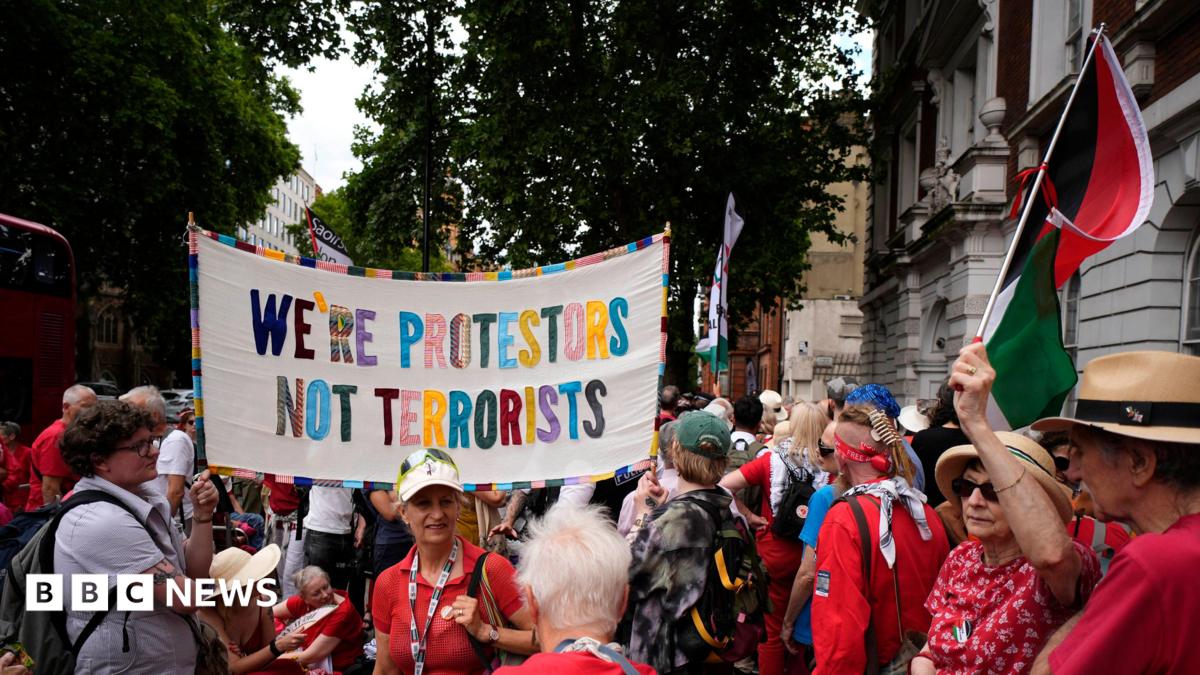
In a landmark decision, the Supreme Court has agreed to review a controversial ban imposed on Palestine Action, an activist collective known for its direct actions in support of Palestinian rights. The ban, justified by authorities on grounds of national security and public order, has ignited a fierce debate about the boundaries of free speech and the state's role in regulating political activism. This case is poised to set a significant precedent regarding how democracies balance security concerns with fundamental civil liberties.
Background of the Palestine Action Ban
Palestine Action is a UK-based activist group that has engaged in high-profile protests targeting companies and institutions linked to the Israeli occupation of Palestinian territories. Their tactics often involve direct action, including sit-ins and disruptions at corporate sites. In response, the government imposed a ban citing threats to public safety and national security.
The ban classifies Palestine Action as an unlawful organization under the UK's anti-terrorism legislation, effectively criminalizing membership and support. This move has been criticized by civil liberties advocates who argue it suppresses legitimate political dissent and protest activities.
Authorities maintain that the group's actions have escalated beyond peaceful protest, involving property damage and intimidation, thereby justifying the ban. The government asserts that the measure is necessary to prevent violence and maintain public order amidst increasing tensions surrounding the Israeli-Palestinian conflict.
Legal Grounds for the Supreme Court Review
The Supreme Court’s decision to review the ban stems from challenges raised by Palestine Action and allied civil rights organizations. They argue the ban infringes on constitutional protections of free speech and assembly, contending that the government overstepped its authority by using anti-terror laws against political activists.
Legal experts note that the case raises complex questions about the scope of national security powers and the limits of state intervention in political expression. The Court will need to weigh evidence regarding the group’s conduct against established legal standards for banning organizations.
The review will also consider whether the ban was procedurally fair and proportionate, examining if less restrictive measures could have been applied. This scrutiny is critical in ensuring that anti-terror legislation is not misused to silence dissent or minority political views.
Free Speech Implications
At the heart of the debate is the fundamental right to free speech, a cornerstone of democratic societies. Activists and civil rights groups argue that banning Palestine Action threatens this right by criminalizing political expression related to a highly contentious international issue.
Critics warn that such bans can create a chilling effect, deterring individuals and groups from engaging in protest or advocacy out of fear of legal repercussions. This, they argue, undermines public discourse and democratic engagement, especially on matters of human rights and foreign policy.
Supporters of Palestine Action emphasize that their activities, while provocative, are non-violent and constitute legitimate forms of civil disobedience. They assert that protecting these forms of expression is essential to preserving democratic freedoms and holding governments accountable.
National Security and Public Order Concerns
Government officials argue that the ban is necessary to prevent escalation of violence and maintain public safety. They point to instances of property damage and confrontations linked to Palestine Action’s protests as evidence of a genuine security threat.
The state’s position highlights the challenge of balancing civil liberties with the need to protect citizens from harm. Authorities contend that unchecked activism that crosses into intimidation or vandalism cannot be tolerated under the guise of free speech.
This perspective stresses the importance of preemptive measures to deter activities that may incite unrest or violence. The government maintains that the ban is a targeted response to specific unlawful conduct rather than a blanket suppression of political views.
Political and Social Reactions
The ban and the ensuing legal battle have polarized public opinion. Human rights organizations and some political figures condemn the ban as an overreach that threatens democratic values and minority rights.
Conversely, some politicians and commentators argue that strong measures are justified to prevent extremism and maintain social cohesion, especially amid rising tensions related to the Israeli-Palestinian conflict.
The debate extends beyond legal arguments, reflecting broader societal divisions regarding the legitimacy of activism, the role of protest in democracy, and the limits of government authority in regulating dissent.
Potential Impact of the Supreme Court’s Decision
The Supreme Court’s ruling will have far-reaching implications for political activism, free speech, and national security law. A decision upholding the ban could set a precedent for increased government control over activist groups deemed threatening.
Alternatively, striking down the ban could reinforce protections for political expression and limit the use of anti-terrorism laws against protest movements. This could embolden activists but also raise concerns about managing public order.
Legal analysts emphasize that the Court’s judgment will likely influence future legislation and law enforcement approaches to balancing civil liberties with security imperatives in the UK and potentially other democracies.
International Perspectives and Human Rights Considerations
The case has drawn international attention, with human rights organizations monitoring its implications for global standards on freedom of expression and political activism. The use of anti-terror laws to ban activist groups is a contentious issue worldwide.
International human rights bodies stress the importance of ensuring that security measures comply with international legal norms, including the principle of proportionality and the protection of peaceful assembly and expression.
The outcome may influence how other countries approach similar conflicts between security and civil liberties, especially in contexts involving politically sensitive causes and contentious geopolitical issues.
Future of Activism and Legal Challenges
Regardless of the Court’s decision, the Palestine Action case highlights ongoing tensions between state power and grassroots activism. Activists may need to adapt strategies to navigate increasingly restrictive legal environments.
The case underscores the necessity for clear legal frameworks that protect legitimate protest while addressing genuine security risks. Future legal challenges are likely as governments and activists test the boundaries of lawful dissent.
This evolving landscape demands continued vigilance by civil society, legal experts, and policymakers to uphold democratic principles while addressing security concerns in a balanced and just manner.
Conclusion
The Supreme Court’s impending decision on the Palestine Action ban represents a critical juncture in the ongoing struggle to balance free speech rights with national security imperatives. As governments worldwide grapple with rising political activism and security challenges, this case underscores the importance of safeguarding democratic freedoms while ensuring public safety. The ruling will not only affect Palestine Action but also shape the legal and social environment for activists and policymakers navigating the complex intersection of protest, security, and civil liberties in the years to come.
Discover more from FINIMA
Subscribe to get the latest posts sent to your email.
0 Comments