Metropolitan Police Decline Further Action Against Green Party Leader Over Controversial Guillotine Image
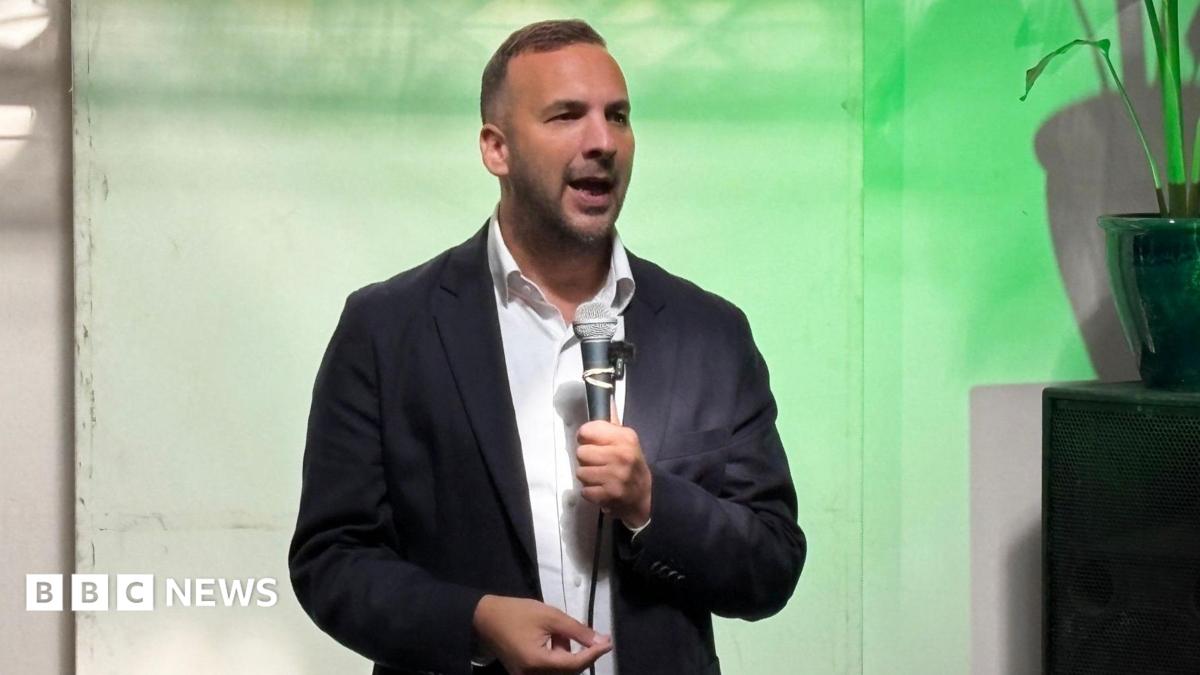
In a case that has stirred political and public debate, the Metropolitan Police recently announced their decision to decline further action against the Green Party leader concerning a contentious image depicting a guillotine. The image, which sparked widespread attention and controversy, raised questions about political expression, legal boundaries, and public safety. This article explores the details surrounding the image, the police investigation, public and political reactions, and the broader implications for free speech and political discourse in the UK.
Background of the Controversial Guillotine Image
The controversy originated when the Green Party leader shared or was associated with an image featuring a guillotine, a symbol historically linked to revolutionary justice and political upheaval. The image quickly attracted media scrutiny and public attention, especially given the tense political climate and heightened sensitivities around political expression.
The guillotine image was interpreted by some as a provocative or threatening symbol, while supporters argued it was a metaphorical or satirical commentary on political accountability. The ambiguity of the image’s intent fueled intense debate across social media platforms, news outlets, and political forums.
The Green Party leader’s office responded by clarifying the intended message behind the image, emphasizing it was not meant to incite violence but to highlight the need for systemic change. Nonetheless, the image prompted several complaints and calls for a police investigation to assess whether it breached any laws.
Metropolitan Police Investigation and Decision
Following the complaints, the Metropolitan Police launched a formal inquiry to determine whether the guillotine image constituted a criminal offense, such as incitement to violence or threatening behavior under UK law. The investigation involved reviewing the image’s context, the leader’s statements, and public reactions.
Police officers consulted legal experts and assessed precedents related to political imagery and freedom of expression. They also considered the potential impact of pursuing charges on democratic rights and political discourse. After a thorough review, the authorities concluded that the image did not meet the threshold for criminal prosecution.
The police statement emphasized the importance of balancing the right to free speech with public safety concerns. It noted that while the image was controversial and provocative, it did not explicitly incite violence or pose a credible threat. Consequently, the decision was made to decline further action against the Green Party leader.
Public and Political Reactions to the Police Decision
The Metropolitan Police’s decision received mixed reactions across the political spectrum and among the public. Supporters of the Green Party hailed the ruling as a victory for free speech and democratic expression, arguing that political satire and symbolism should not be criminalized.
Conversely, critics expressed disappointment, suggesting that the image was irresponsible and potentially harmful, especially in a climate of increasing political polarization. Some commentators called for clearer guidelines on political imagery to prevent similar controversies in the future.
Media coverage reflected this divide, with opinion pieces debating the limits of political expression and the role of law enforcement in regulating symbolic content. The incident sparked broader conversations about the balance between protecting free speech and ensuring public order.
Legal Framework Governing Political Imagery in the UK
The UK legal system protects freedom of expression under the Human Rights Act 1998, which incorporates the European Convention on Human Rights. However, this right is not absolute and can be restricted to prevent crime, protect public safety, or safeguard the rights of others.
Political imagery is often scrutinized under laws related to threatening or abusive behavior, incitement to violence, and public order offenses. The challenge lies in distinguishing between legitimate political commentary and content that crosses into unlawful territory.
In this case, the police had to carefully evaluate whether the guillotine image constituted a direct threat or incitement. Their conclusion that it did not highlights the complexity of applying existing laws to modern political expression, especially in digital and social media contexts.
Implications for Political Communication and Free Speech
This incident underscores the evolving nature of political communication, where imagery and symbolism play a powerful role in conveying messages quickly and emotionally. Politicians and activists increasingly use provocative visuals to capture attention and stimulate debate.
The police decision reinforces the principle that free speech, including controversial or unpopular opinions, remains protected within legal limits. It also signals caution against over-policing political expression, which could have a chilling effect on democratic engagement.
However, the case also raises questions about responsibility and accountability in political messaging. While freedom of expression is vital, political figures must consider the potential consequences of their communication choices on public discourse and social cohesion.
Role of Social Media in Amplifying the Controversy
Social media platforms played a significant role in amplifying the guillotine image controversy. The rapid spread of the image and ensuing debates highlighted how digital environments can intensify political conflicts and shape public perceptions.
The virality of the image led to polarized reactions, with supporters and detractors mobilizing online to express their views. This dynamic demonstrates the power of social media to influence political narratives and pressure institutions like the police to respond.
However, social media also complicates the regulatory landscape, as content can be shared widely and out of context. This case illustrates the challenges for law enforcement and policymakers in addressing controversial political content in an era of instant communication.
Historical Context of the Guillotine Symbol in Politics
The guillotine is historically associated with the French Revolution and the execution of political opponents, symbolizing radical change and the overthrow of established powers. Its use in contemporary political imagery evokes strong emotional and ideological reactions.
In modern times, the guillotine has appeared in various protests and artworks as a metaphor for justice or political reckoning. However, the symbol’s violent connotations mean its use is often contentious and can be perceived as threatening.
Understanding this historical context is crucial to interpreting the Green Party leader’s image and the public response. It reflects ongoing tensions between revolutionary symbolism and the norms of peaceful democratic discourse.
Future Considerations and Recommendations
Moving forward, political parties and leaders may need to exercise greater caution in their use of provocative imagery to avoid misunderstandings or legal complications. Clearer internal guidelines on political communication could help balance impact with responsibility.
Law enforcement agencies might also benefit from developing more nuanced frameworks for assessing politically charged content, ensuring that responses are proportionate and respect democratic freedoms.
Public education on media literacy and symbolic interpretation could empower citizens to engage with political messaging more critically, reducing the potential for misinterpretation and conflict.
Conclusion
The Metropolitan Police’s decision to not pursue further action against the Green Party leader over the guillotine image highlights the delicate balance between protecting free speech and maintaining public order. While the image was undoubtedly provocative and sparked significant controversy, it ultimately did not cross the legal threshold for criminal prosecution. This case serves as a reminder of the complexities inherent in modern political communication, the power of symbolic imagery, and the evolving challenges for law enforcement in the digital age. As political discourse continues to evolve, stakeholders must navigate these issues thoughtfully to uphold democratic values and foster constructive engagement.
Discover more from FINIMA
Subscribe to get the latest posts sent to your email.
0 Comments