The Disappearance of Over 500 Rohingya at Sea: Tragedy Amidst Regional Crisis
Editor’s note: The following is AI-generated commentary and context on this topic, not original reporting.
A Recurring Pattern in the Region
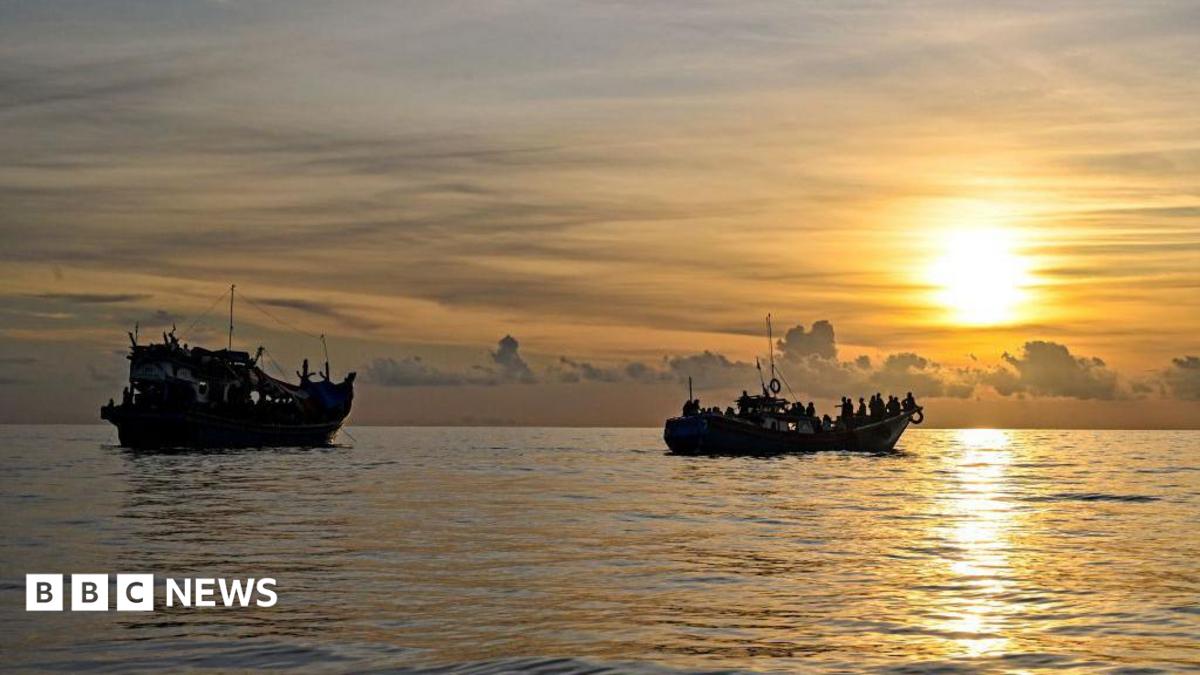
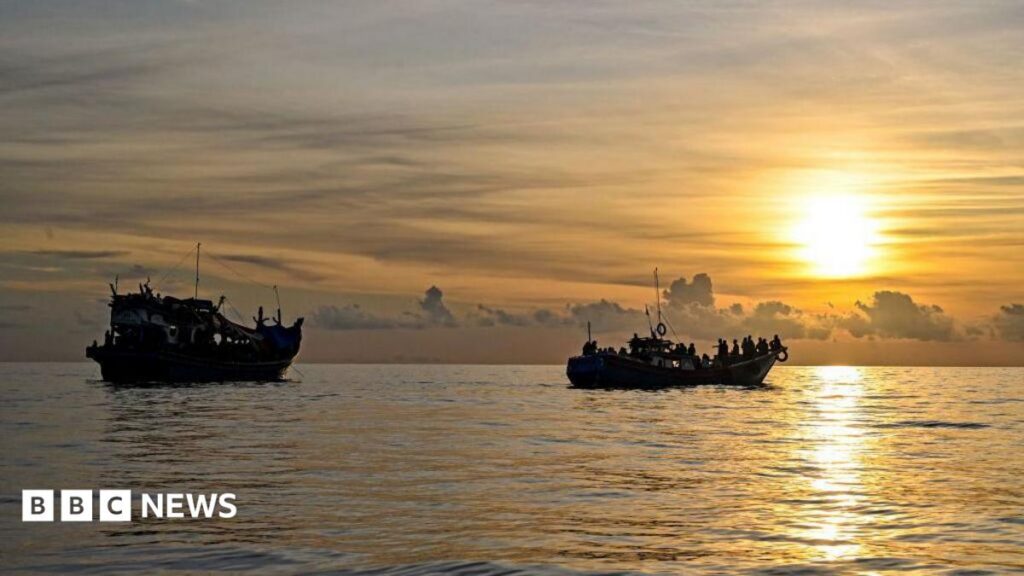
Reports of Rohingya refugees disappearing during dangerous sea crossings have unfortunately become a recurring feature of the humanitarian situation in the Bay of Bengal and Andaman Sea. Since the intensification of the Rohingya crisis in Myanmar’s Rakhine State, tens of thousands of people have attempted these crossings in search of safety and better conditions, frequently aboard vessels that are overcrowded, poorly maintained, and lacking adequate food, water, or navigation equipment for journeys that can last weeks.
Why These Journeys Are So Dangerous
Smuggling networks operating in the region typically pack far more passengers onto boats than they are designed to carry, prioritizing profit over safety. Vessels often lack functioning engines for the full duration of the voyage, leaving them adrift for extended periods if mechanical problems arise. Passengers frequently report being denied sufficient food and water partway through the journey, and outbreaks of illness on board are common given the cramped, unsanitary conditions. When a vessel goes missing or capsizes, the difficulty of coordinating search and rescue across national maritime boundaries, combined with reluctance from some coastal states to accept responsibility for stranded boats, has repeatedly delayed life-saving intervention.
The Broader Displacement Crisis
- More than a million Rohingya remain in refugee camps in Bangladesh, many for close to a decade, with limited prospects for return to Myanmar or resettlement elsewhere.
- Camp conditions, including restrictions on movement, education, and livelihoods, have pushed a growing number of people, including families and unaccompanied minors, toward irregular sea and land routes.
- Regional governments have varied significantly in their willingness to accept refugees or provide safe harbor to distressed vessels, creating gaps that smuggling networks exploit.
The International Response
Humanitarian organizations, including UNHCR and regional NGOs, have repeatedly called for coordinated regional search-and-rescue protocols and safer, legal pathways for those fleeing persecution, arguing that the current patchwork approach leaves vulnerable people with no safe options. Advocacy groups have also pushed for greater accountability for human trafficking networks that profit from these dangerous journeys, alongside sustained diplomatic pressure aimed at addressing the underlying conditions in Myanmar that continue to drive displacement. Tragedies at sea tend to generate renewed international attention in the immediate aftermath, though sustained policy change in the region has historically proven difficult to achieve given the complex mix of political, humanitarian, and security interests involved.
Why These Stories Matter
Each reported disappearance represents not just a statistic but individual families facing an agonizing wait for news, often with limited access to information from authorities in the countries where a vessel was last tracked. Coverage of these incidents plays an important role in keeping pressure on regional governments and international bodies to treat maritime rescue as a humanitarian obligation rather than a matter of discretion.
Root Causes of the Crisis
The displacement driving these dangerous sea journeys traces back to a long history of statelessness and persecution faced by the Rohingya population in Myanmar, where they have been denied citizenship and subjected to violence and restrictions that the United Nations and numerous human rights organizations have characterized in the strongest terms. A major wave of violence in 2017 pushed hundreds of thousands across the border into Bangladesh, and conditions inside Myanmar have not improved sufficiently since then to make large-scale voluntary return realistic for most of those affected. With no clear path to citizenship, safety, or economic opportunity in either their country of origin or their place of refuge, a growing number of families have concluded that a dangerous sea crossing represents their best remaining option, despite the well-documented risks.
The Role of Smuggling Networks
Organized smuggling operations have adapted to and profited from this desperation, charging substantial fees for passage while cutting costs on vessel safety, food, and water to maximize profit margins. Reports from survivors of previous crossings have described being held for ransom partway through a journey, physical abuse by smugglers, and being abandoned at sea when a vessel experienced mechanical failure. Efforts to disrupt these networks face significant challenges, including the vast and porous maritime borders of the region, corruption at some points along established smuggling routes, and the sheer scale of demand driven by the underlying humanitarian crisis, which tends to outpace enforcement capacity.
Regional Policy Gaps
- No binding regional framework currently obligates neighboring states to accept distressed vessels or coordinate search-and-rescue operations, leaving responses inconsistent and often delayed.
- Some governments in the region have in the past intercepted and turned back boats rather than allowing passengers to disembark, citing concerns about resource strain and domestic political pressure.
- Humanitarian organizations have limited capacity to intervene directly at sea and depend heavily on the cooperation of coastal states to reach vessels in distress.
What Meaningful Progress Would Require
Advocates and policy analysts who study forced migration in the region generally agree that reducing the frequency of these tragedies would require action on multiple fronts simultaneously: sustained diplomatic engagement to improve conditions and rights for Rohingya communities both in Myanmar and in host countries, expanded and better-resourced legal resettlement pathways that reduce reliance on smuggling networks, and a formal regional agreement on search-and-rescue responsibilities that removes the current ambiguity about which state is obligated to respond when a vessel is in distress. In the absence of such structural changes, individual tragedies at sea are likely to continue recurring, each one drawing brief international attention before the underlying crisis fades from headlines again.
Why Continued Attention Matters
Each new report of a missing vessel adds to a grim tally that has accumulated over the better part of a decade, yet public attention to the broader crisis has often waxed and waned depending on how prominently individual incidents are covered. Sustained international pressure has historically been one of the few levers capable of prompting incremental improvements in how regional states respond to distressed boats, even short of the comprehensive policy changes advocates continue to call for. Until the underlying conditions driving displacement are meaningfully addressed, humanitarian organizations warn that similar tragedies are likely to keep recurring along these same maritime routes.
Discover more from FINIMA
Subscribe to get the latest posts sent to your email.
0 Comments