NMA appeals for release of abducted Kaduna doctor
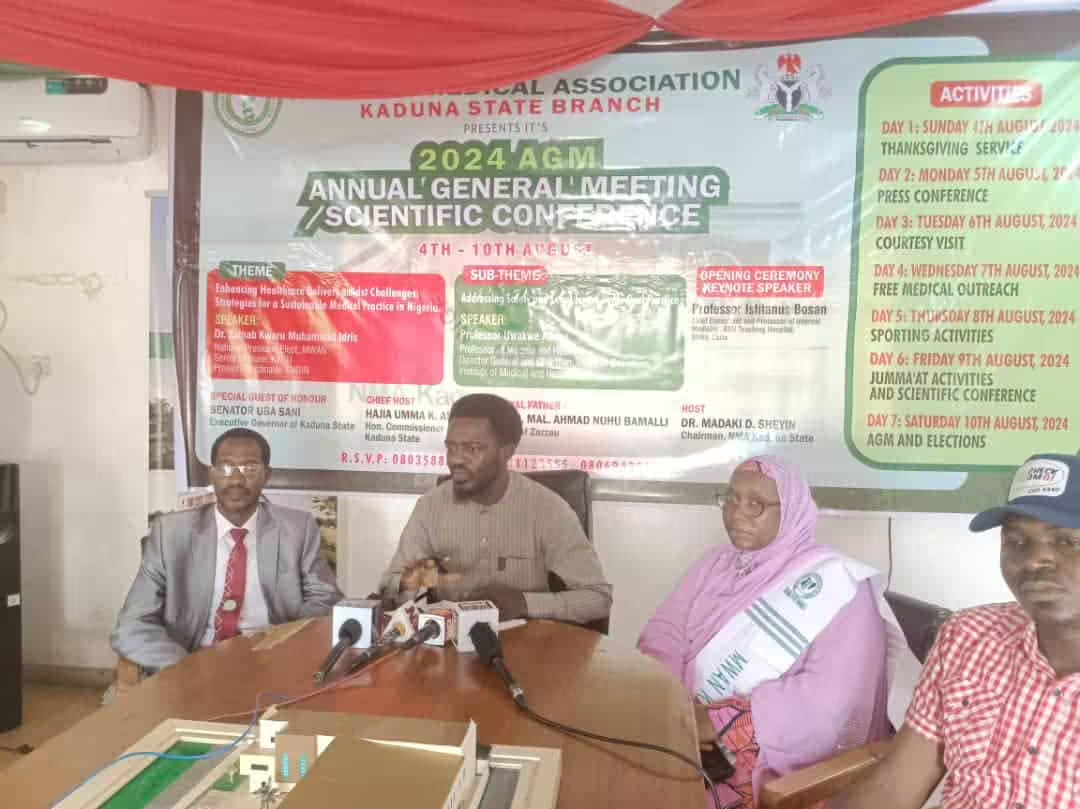
The abduction of medical professionals in Nigeria has become an alarming trend, threatening the healthcare system's stability and the safety of those dedicated to saving lives. Among the recent victims is Dr. Ganiyat Popoola, a resident doctor at the National Eye Centre in Kaduna, who was kidnapped over seven months ago. The Nigerian Medical Association (NMA), Kaduna State Chapter, has made a passionate appeal to Governor Uba Sani to intervene and facilitate her safe release. This article explores the details of the abduction, the NMA's advocacy, and the urgent need for enhanced security measures for healthcare workers in Nigeria.
Background of the Abduction Incident
In early 2023, Dr. Ganiyat Popoola, a resident doctor at the National Eye Centre located within the Hospital Quarters of Kaduna, was abducted under circumstances that remain unclear. The incident sent shockwaves through the medical community and the general public, highlighting the growing insecurity in the region. Despite efforts by law enforcement agencies, her whereabouts have remained unknown for over seven months.
The abduction occurred in a region already grappling with security challenges, including kidnappings and armed banditry. Medical professionals, who are often viewed as vulnerable targets due to their critical roles and sometimes isolated working environments, have increasingly been at risk. Dr. Popoola's case exemplifies the urgent need to address this worrying trend.
Authorities have reportedly been investigating the matter, but concrete progress has yet to be made. The prolonged absence of Dr. Popoola has raised concerns about the effectiveness of current security protocols and the protection afforded to healthcare workers in Kaduna state and beyond.
Nigerian Medical Association’s Response and Appeal
The Nigerian Medical Association (NMA), particularly its Kaduna State Chapter, has been vocal in condemning the abduction and calling for immediate action. Led by State Chairman Dr. Madaki Sheyin, the NMA has formally appealed to Governor Uba Sani to intervene personally in efforts to secure Dr. Popoola’s release. This appeal underscores the gravity of the situation and the community's frustration with the ongoing insecurity.
The NMA’s appeal is not only a plea for the safe return of one of their own but also a broader demand for improved safety measures for medical personnel. The association stresses that the kidnapping of doctors impedes healthcare delivery and exacerbates the challenges faced by the Nigerian medical sector.
Furthermore, the NMA has urged stakeholders, including security agencies, community leaders, and government officials, to collaborate in creating an environment where healthcare professionals can work without fear. This united front is seen as essential in deterring future abductions and ensuring the wellbeing of medical workers.
Impact of the Abduction on the Healthcare System
The kidnapping of Dr. Popoola has had a profound impact on the National Eye Centre and the wider healthcare system in Kaduna. Resident doctors and other medical staff have expressed heightened anxiety and fear, which can affect their performance and willingness to serve in high-risk areas. Such incidents contribute to workforce shortages and disrupt the continuity of care.
Patients at the National Eye Centre have also been indirectly affected, with some services being scaled down or delayed due to the trauma experienced by staff and the need to reallocate resources. The abduction underscores a critical vulnerability in the healthcare infrastructure where personnel safety is not guaranteed.
Moreover, the incident has drawn attention to the psychological toll on healthcare workers operating in volatile environments. The fear of abduction or violence can lead to burnout, reduced morale, and even attrition, which ultimately compromises patient care quality and accessibility.
Security Challenges Facing Healthcare Professionals in Nigeria
Kidnapping and violence against healthcare professionals have become distressingly common in Nigeria, particularly in regions plagued by insecurity. Doctors, nurses, and other medical staff are often targeted because of their perceived affluence or the vital role they play in communities, making them vulnerable to criminal activities such as ransom kidnappings.
The challenges are compounded by inadequate security infrastructure within healthcare facilities and the surrounding areas. Many hospitals and clinics lack proper surveillance, security personnel, or rapid response systems, making it easier for kidnappers to exploit these weaknesses.
In addition to physical threats, healthcare workers face psychological stress due to the unpredictable security landscape. This environment demands comprehensive strategies that encompass security reforms, community engagement, and government commitment to protect those on the frontlines of healthcare.
Government and Community Roles in Ensuring Safety
The role of government, particularly at the state level, is crucial in addressing the safety of healthcare workers. Governor Uba Sani’s intervention in Dr. Popoola’s case represents a vital opportunity to demonstrate leadership and commitment to protecting medical professionals. Adequate funding for security measures and coordination with law enforcement agencies are essential steps.
Community involvement is equally important. Local leaders and residents can collaborate with security forces to provide intelligence and foster an environment that discourages criminal activity. Community-based security initiatives have shown promise in some Nigerian states and could be adapted to protect healthcare facilities.
Furthermore, policies that prioritize the safety of medical personnel—such as emergency response protocols, secure transport for staff, and awareness campaigns—can help mitigate risks. A multi-stakeholder approach ensures that solutions are sustainable and culturally appropriate.
Broader Implications for Nigeria’s Medical Sector
The abduction of Dr. Popoola is emblematic of a broader crisis facing Nigeria’s medical sector. Persistent insecurity threatens to undermine decades of progress in healthcare delivery and medical education. If doctors and other medical professionals feel unsafe, the country risks losing critical human resources to migration or career changes.
This trend could exacerbate the existing shortage of healthcare workers in Nigeria, particularly in underserved and rural areas. The loss of skilled personnel diminishes the quality of healthcare services and limits access for vulnerable populations, undermining national health goals.
Addressing these challenges requires comprehensive reforms that prioritize safety, improve working conditions, and invest in the well-being of healthcare workers. Only through concerted efforts can Nigeria build a resilient health system capable of withstanding security threats.
Public and International Reactions to the Abduction
The public reaction to Dr. Popoola’s abduction has been one of outrage and concern, with many Nigerians expressing solidarity with the medical community. Social media campaigns and calls for justice have highlighted the need for urgent action, amplifying the NMA’s appeal to the government.
International health organizations and human rights groups have also taken note of the incident, emphasizing the importance of safeguarding healthcare workers as a fundamental human rights issue. The World Health Organization and other bodies advocate for the protection of medical personnel in conflict and high-risk zones worldwide, a standard Nigeria must strive to meet.
This incident serves as a reminder that the safety of healthcare workers is a global concern. International support and collaboration can help Nigeria implement best practices and strengthen security frameworks to prevent future abductions.
Steps Forward: Protecting Medical Professionals in Kaduna and Beyond
To prevent further abductions and ensure the safety of medical professionals, Kaduna State and the Nigerian government must prioritize security reforms. This includes deploying dedicated security personnel to hospitals, enhancing surveillance systems, and establishing rapid response teams specialized in emergency medical situations.
Training and awareness programs for healthcare workers on personal security measures can empower them to better protect themselves. Additionally, fostering partnerships between security agencies and healthcare institutions can facilitate information sharing and coordinated responses to threats.
Finally, sustained advocacy by professional bodies like the NMA is vital to keep the issue on the political agenda. Continuous engagement with policymakers, community leaders, and international partners will help build a safer working environment for doctors and all healthcare workers in Nigeria.
Conclusion
The abduction of Dr. Ganiyat Popoola is a stark reminder of the vulnerabilities faced by healthcare workers in Nigeria. The Nigerian Medical Association’s appeal to Governor Uba Sani highlights the urgent need for effective interventions to secure the safe return of abducted professionals and prevent future incidents. Ensuring the safety of medical personnel is not only a matter of protecting individuals but also safeguarding the integrity and functionality of Nigeria’s healthcare system. Through concerted efforts by government, communities, and professional bodies, it is possible to create a safer environment where healthcare workers can perform their vital roles without fear. The time for decisive action is now, to uphold the dignity, security, and wellbeing of those who dedicate their lives to saving others.
Discover more from FINIMA
Subscribe to get the latest posts sent to your email.